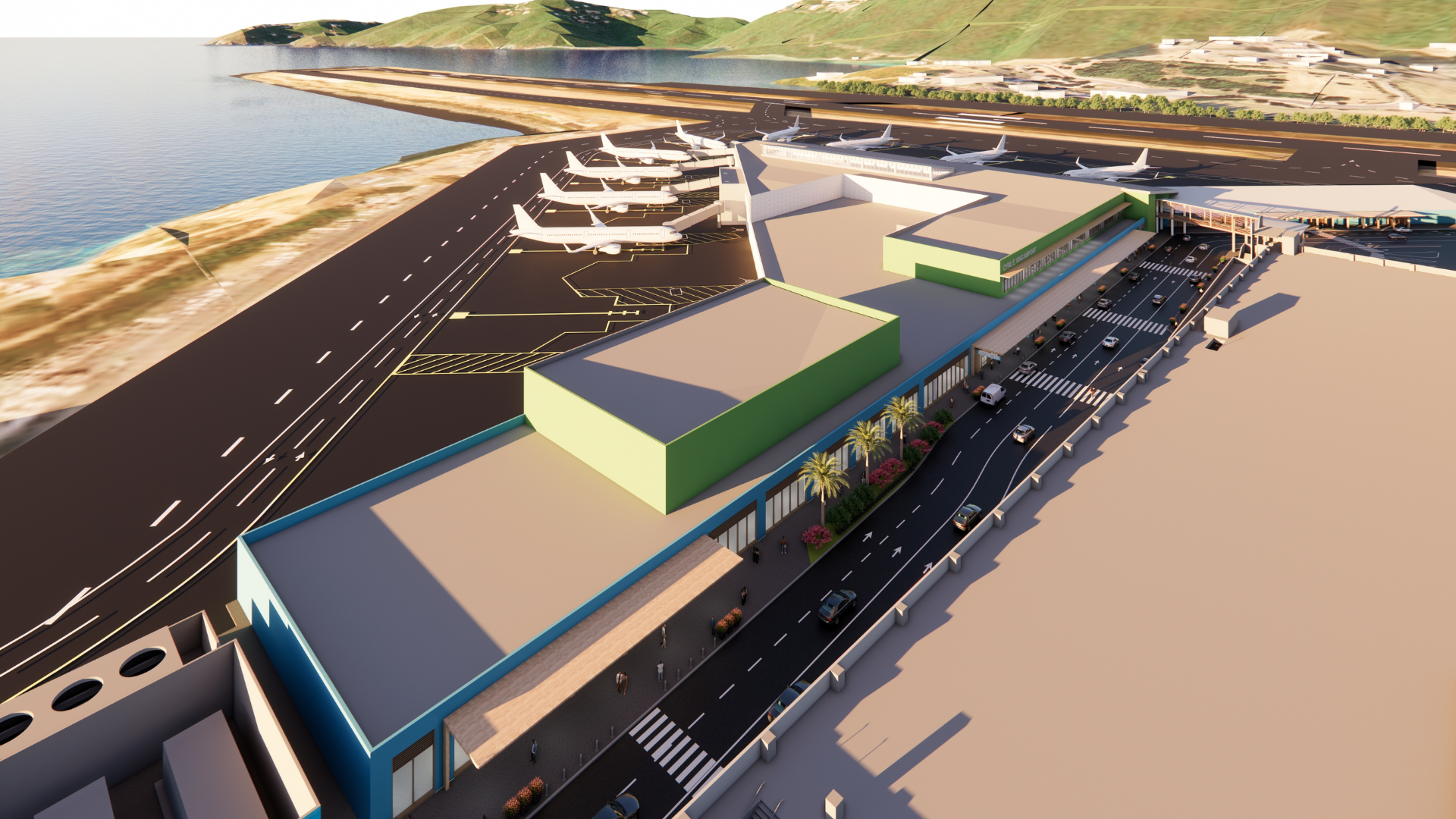
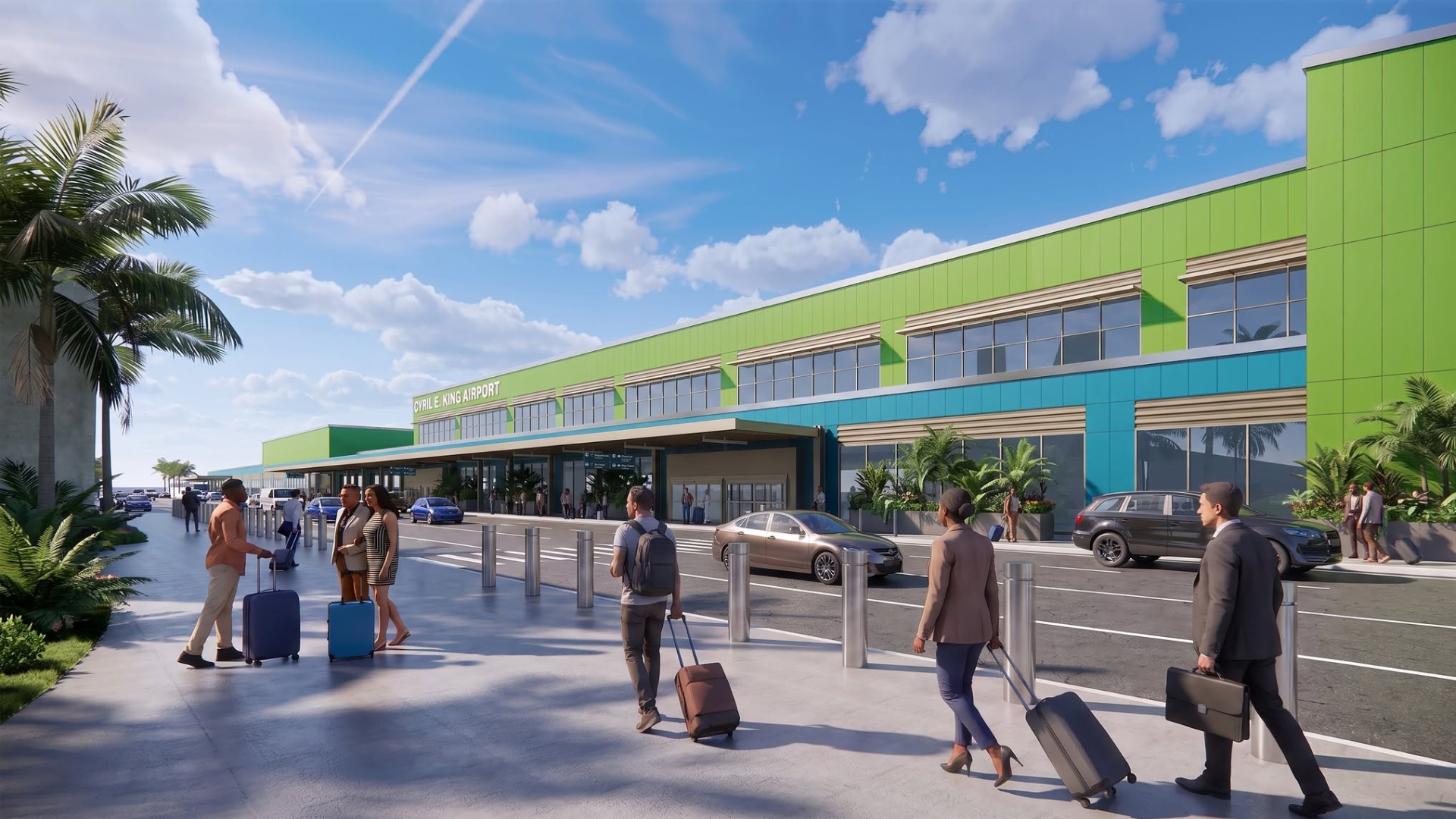
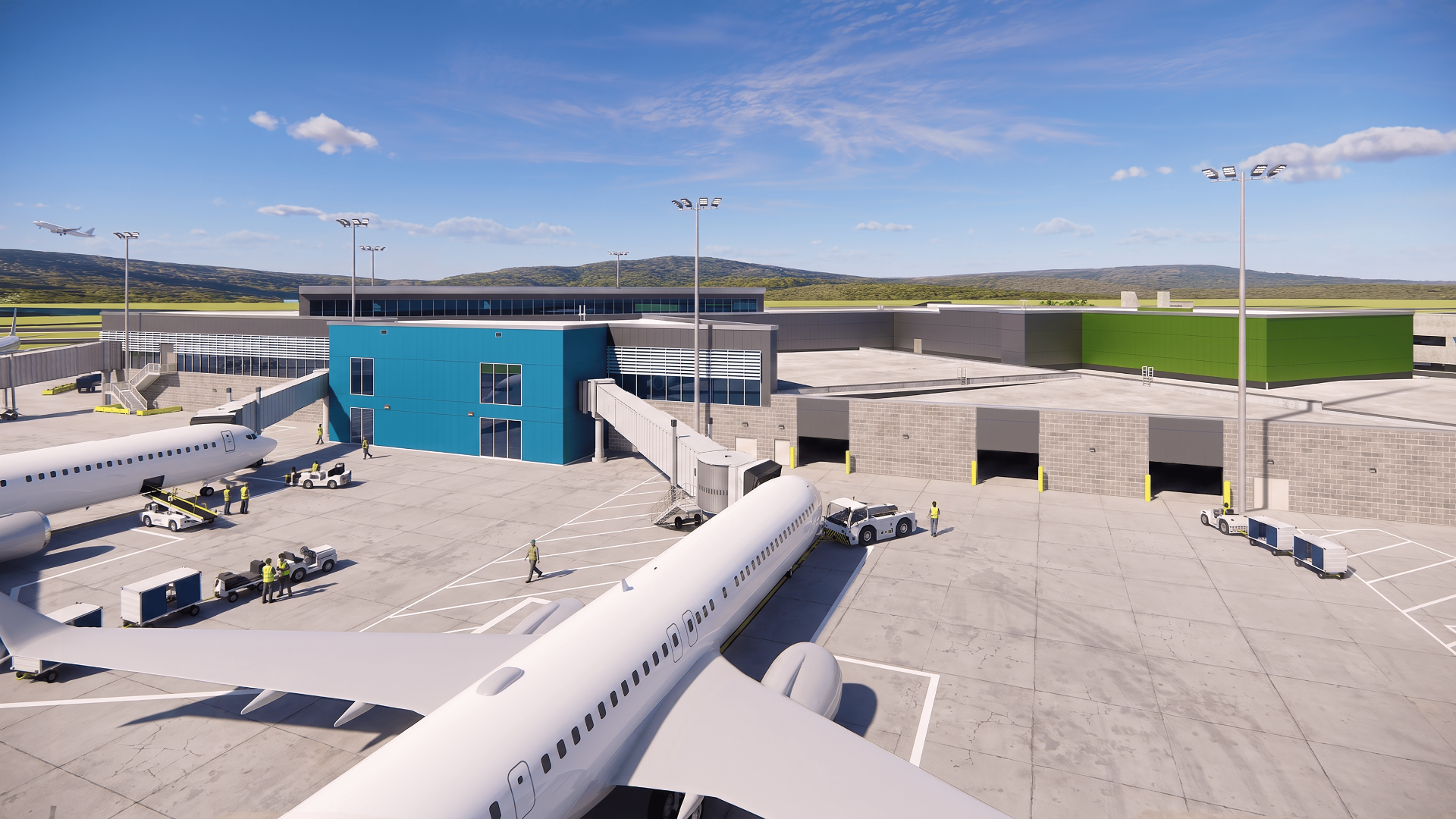
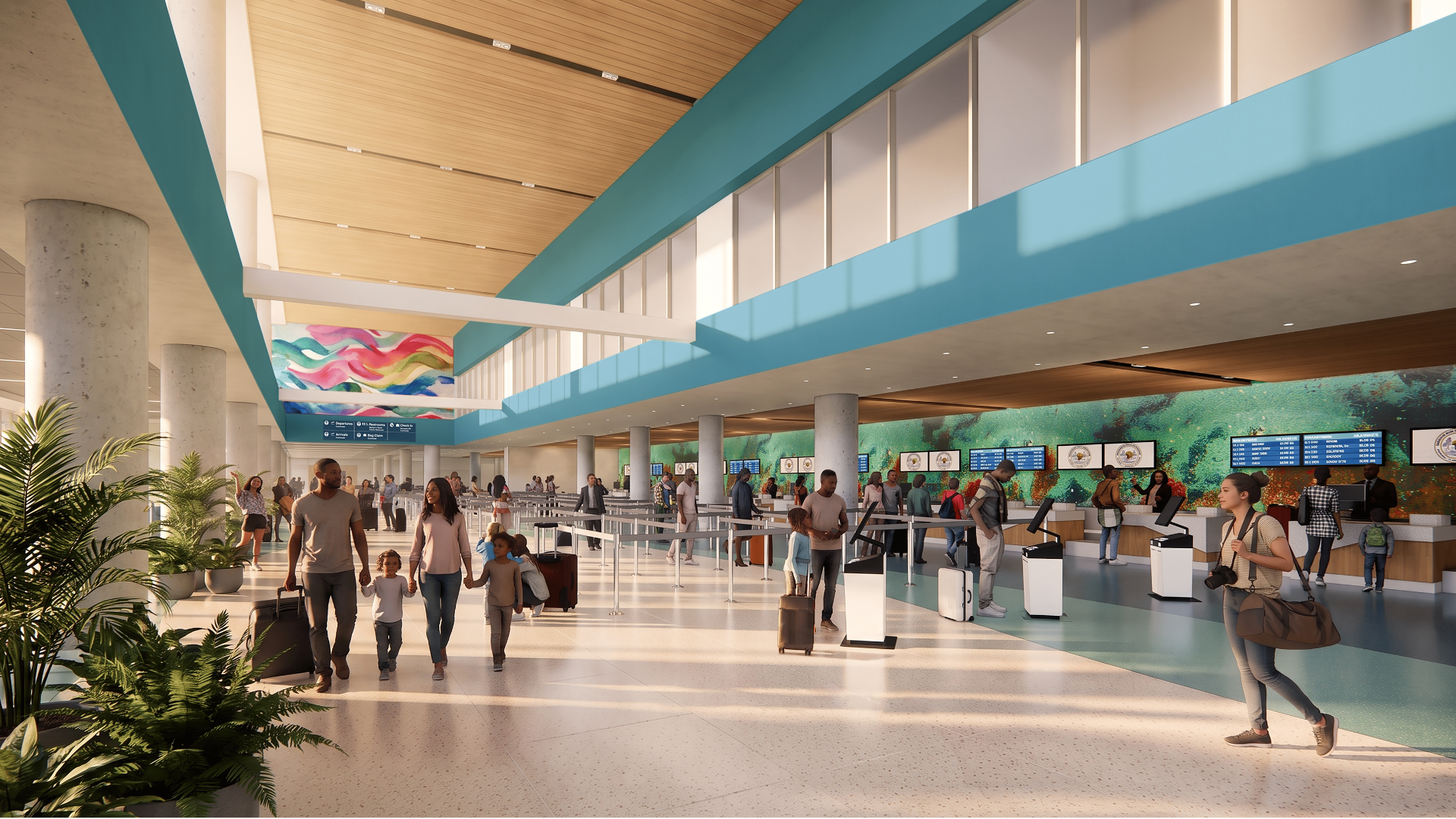
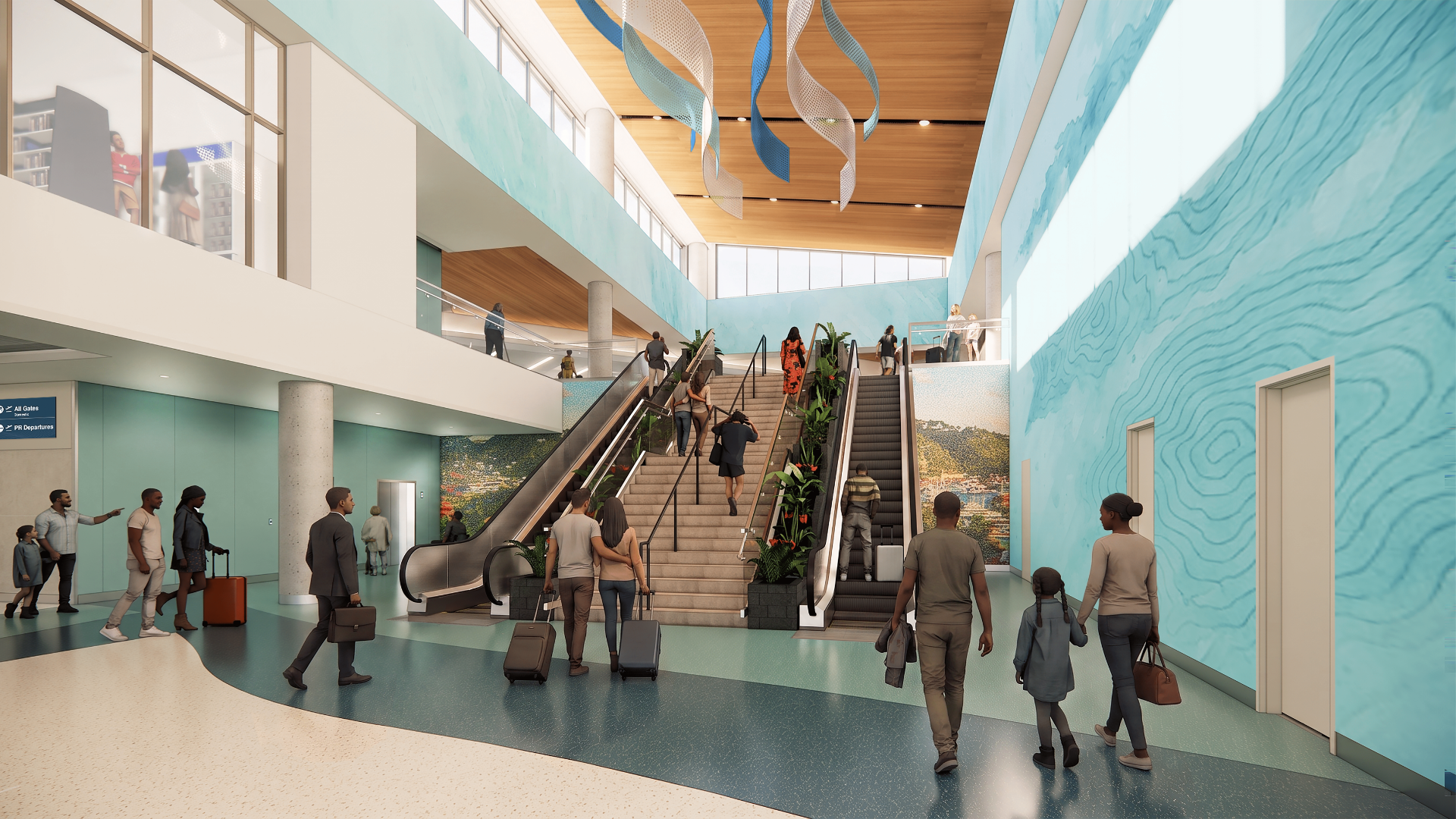
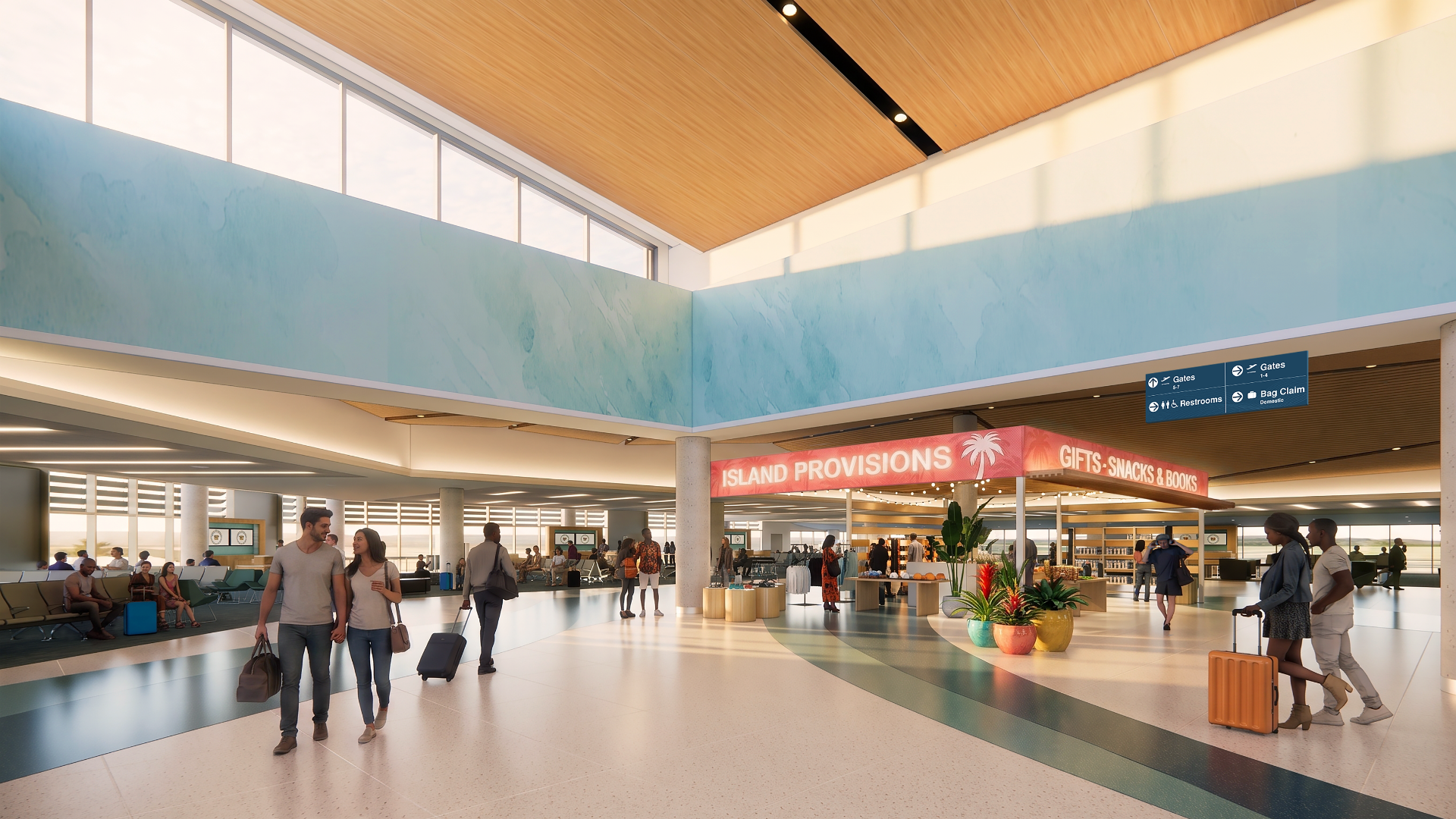
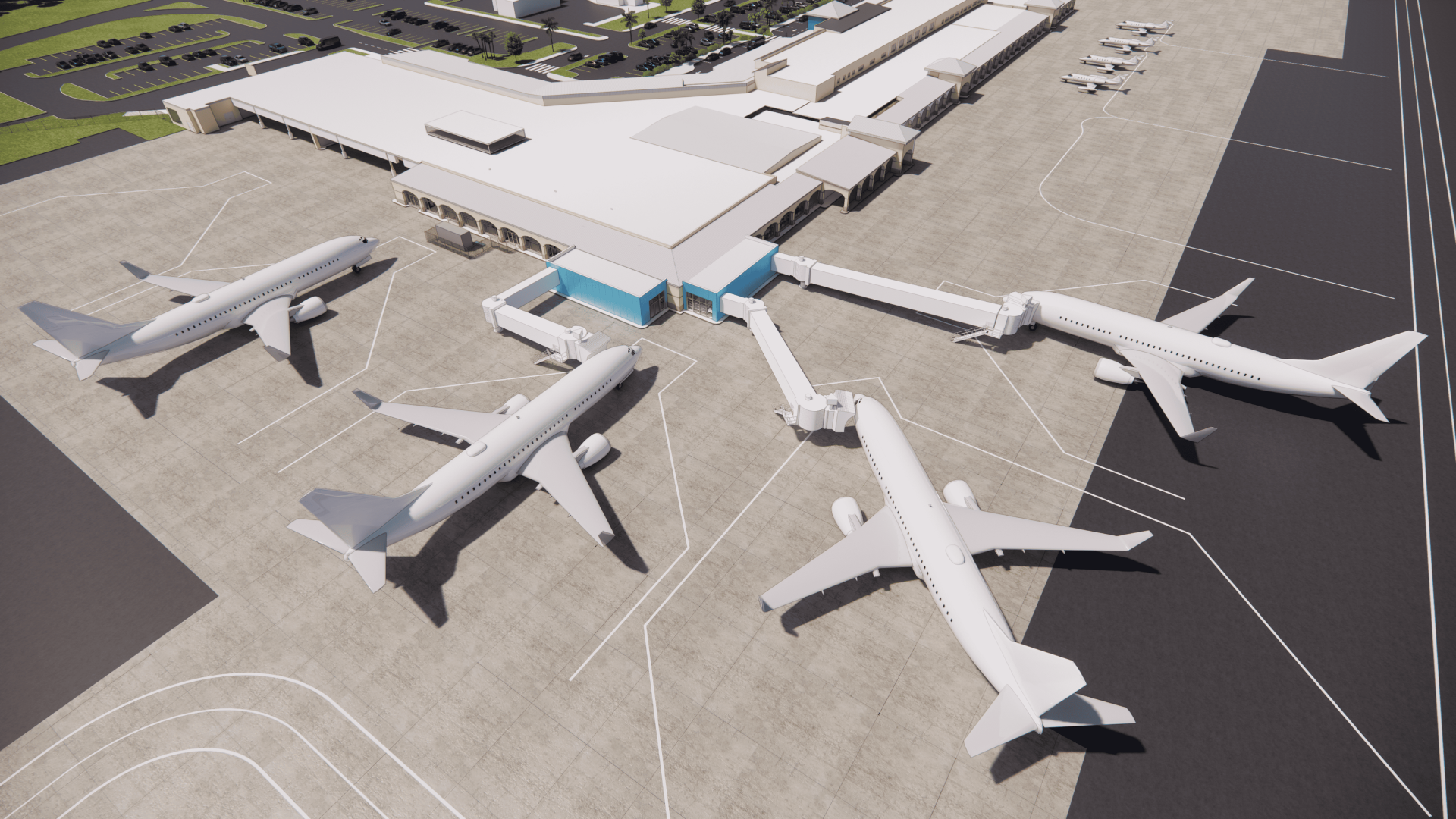
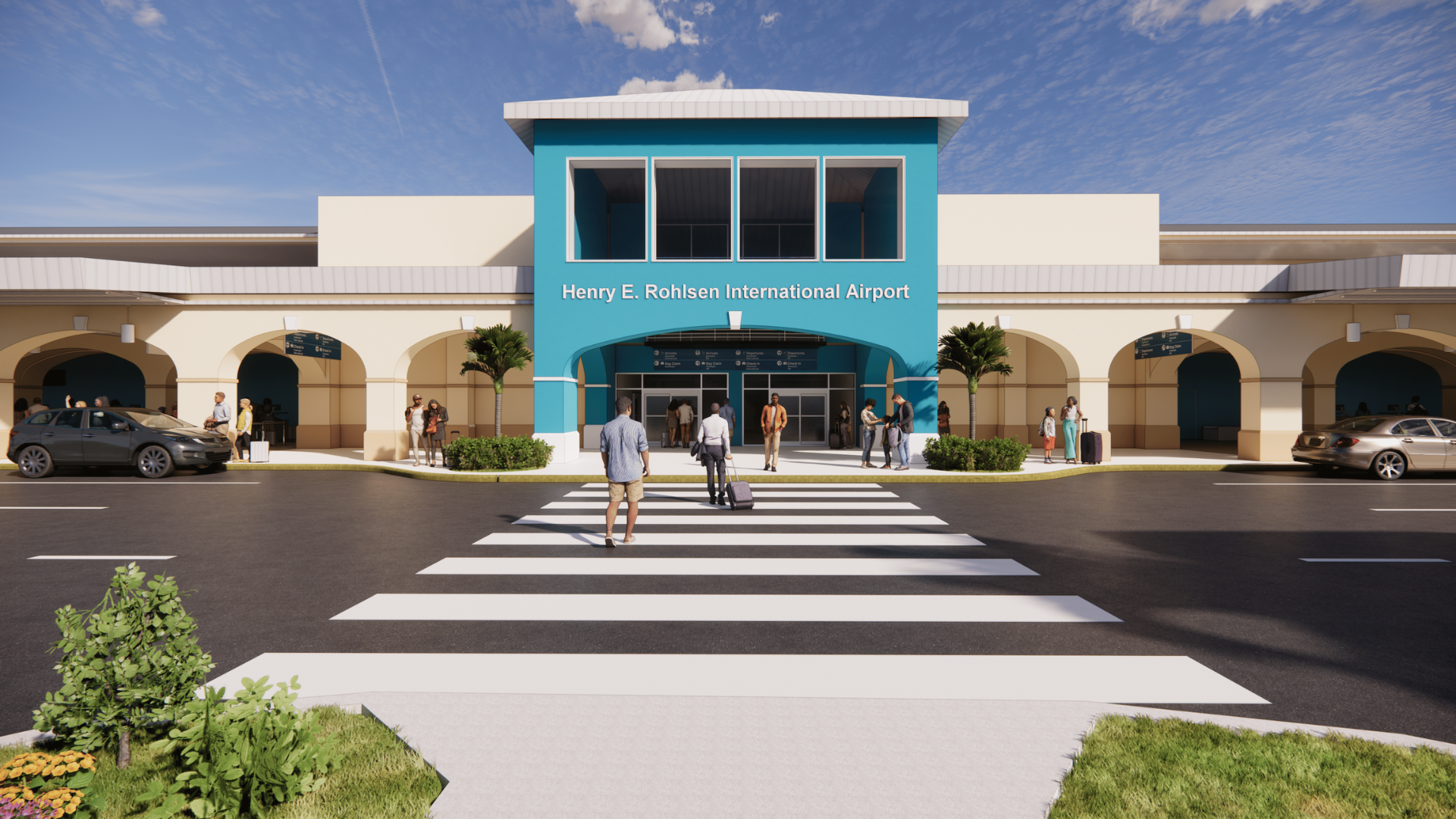
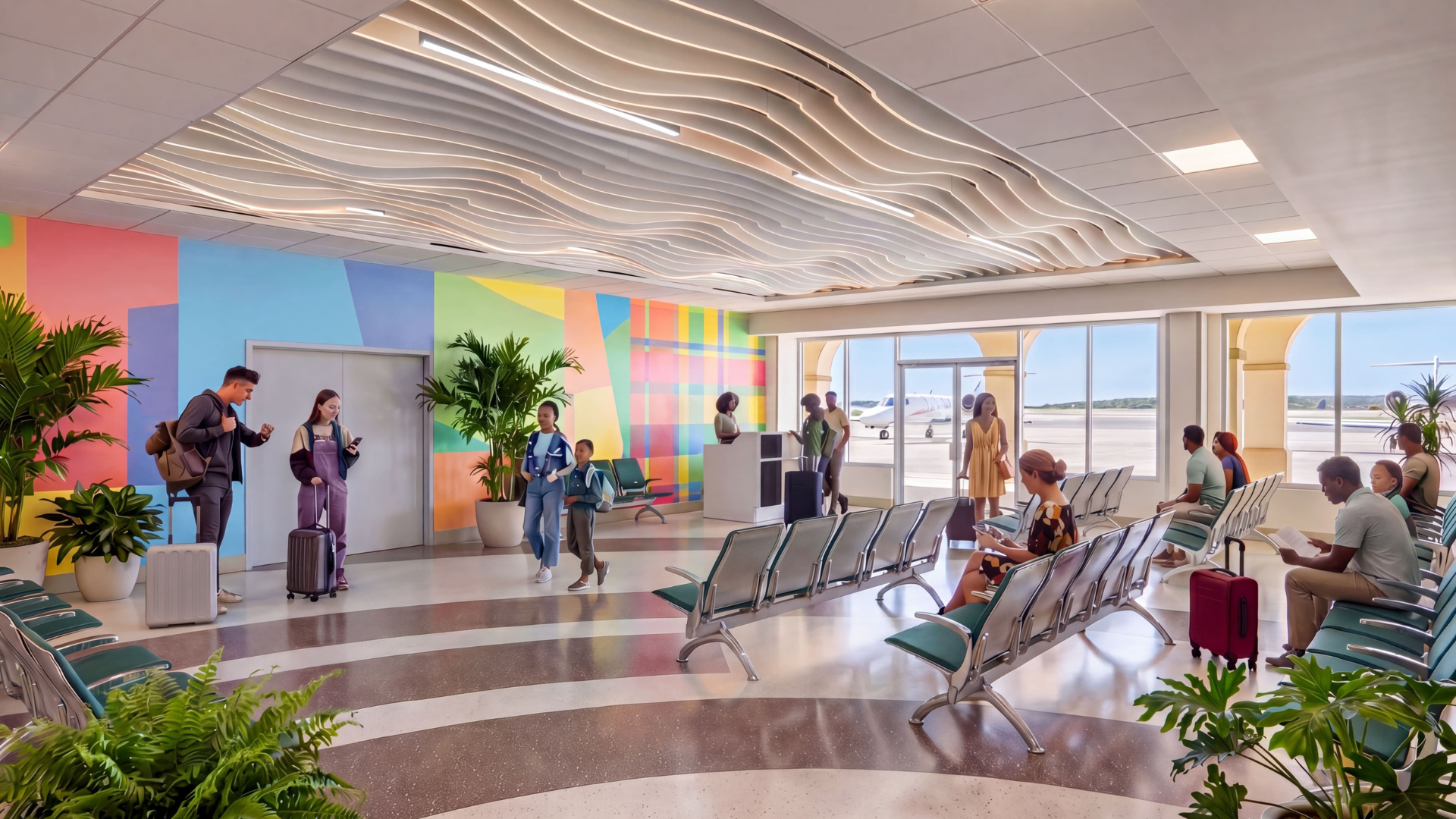
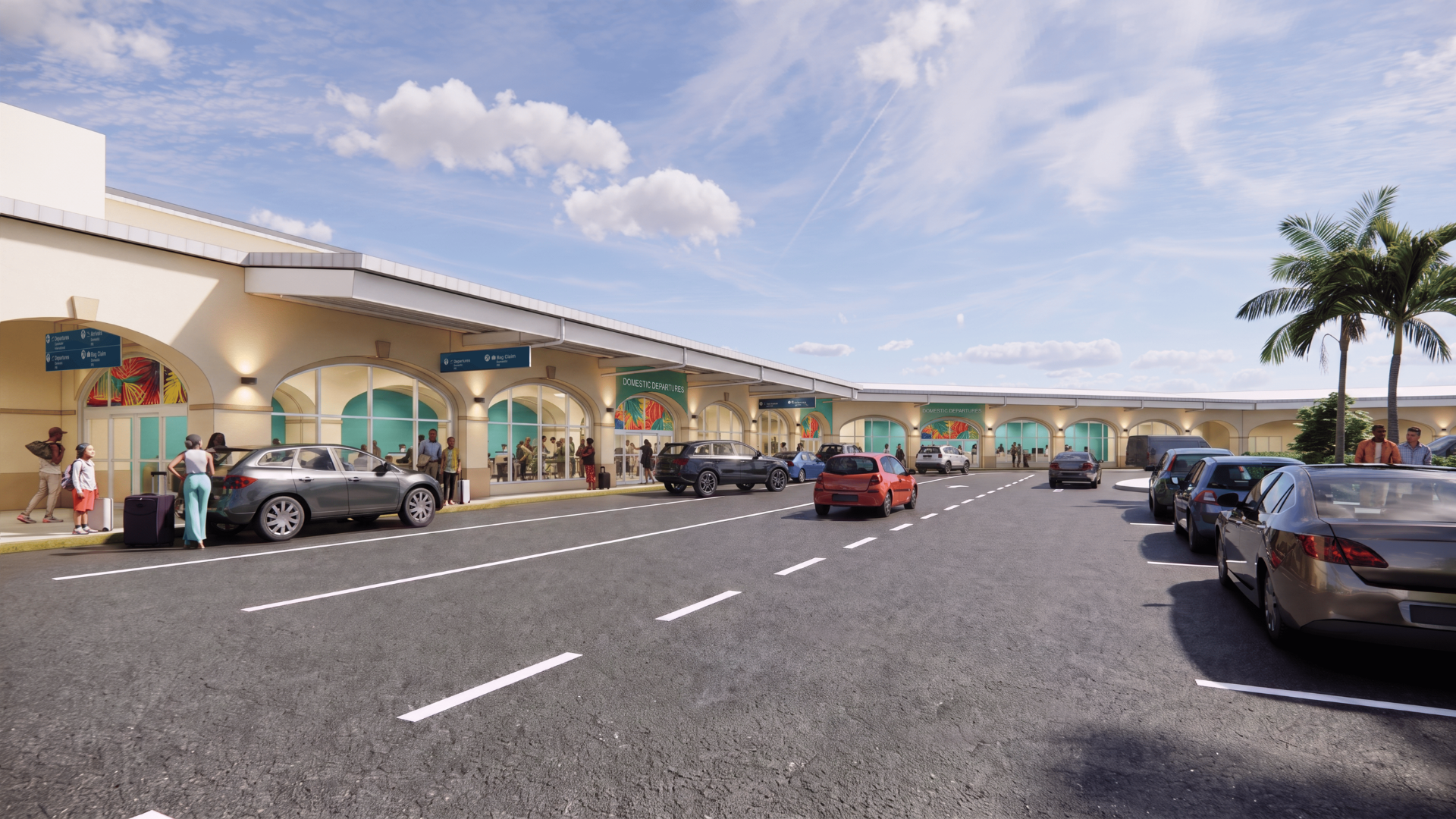
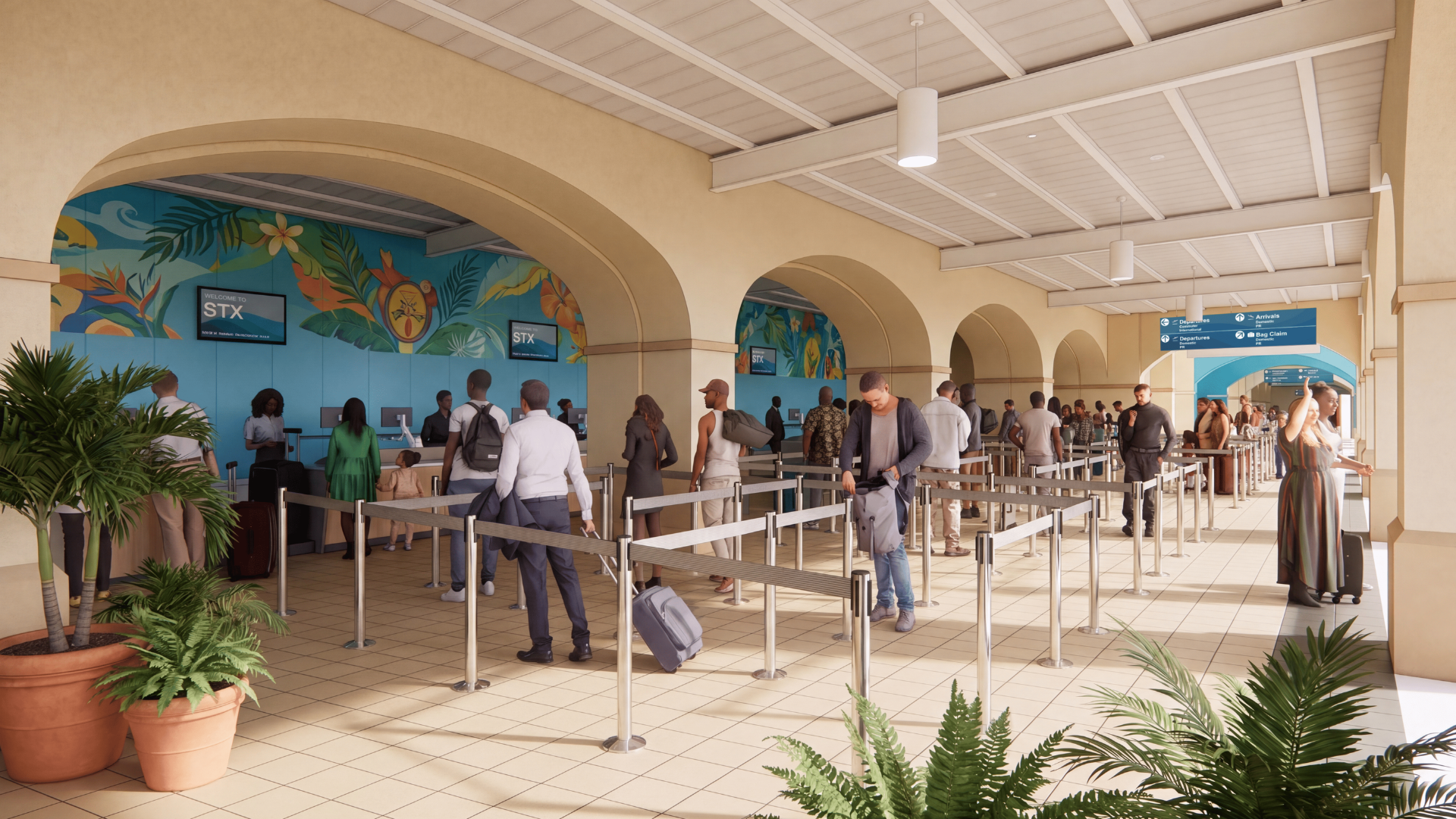
The United States Virgin Islands (USVI) is a marquee Caribbean destination showcasing sun-soaked beaches, breathtaking vistas, and a vibrant and diverse culture. Through this project, the Territory’s two airports will better accommodate the ever-increasing numbers of passengers and flights and enable the USVI to remain competitive in the global market, create a better experience for travelers, and strengthen its vital tourism industry.
What is a Public-Private Partnership?
The P3 model is a globally proven model to deliver critical public infrastructure, especially airports, where private sector innovation, capital and technical integration is a natural complement to public sector accountability and oversight. The P3 structure creates a symbiotic relationship neither the private partner, nor the public sector partner could achieve alone. The P3 model keeps costs predictable under a fixed price with date-certain contracts. The private partner brings private capital and the ability to raise substantial finance – sparing the public sector and the public the debt and tax burden.
Benefits of the P3
VIPA’s modernization program – developed in partnership with SkyCity – was established through a competitive process and structured as a comprehensive redevelopment plan with a defined path to delivery. It integrates design, construction, financing, and long-term operations within a single framework delivered by an experience private developer, builder and operator, providing clarity on scope, accountability for execution, and aligned with the Territory’s long-term needs. Moving forward, working with the private sector’s expertise ensures necessary financing and risk transfer to deliver the project efficiently.
Scope of the Project
The Cyril E. King Airport (STT) Airport will undergo a comprehensive renewal and modernization, and the program at Henry E. Rohlsen Airport (STX) is focused on the necessary investments to address critical infrastructure, operational, and regulatory needs. The project is being sized to ensure equitable investments across the two airports, to support existing passenger volumes and projected growth, while remedying current conditions in core airport systems and passenger-processing areas, including boarding bridges, hold rooms, restroom capacity, HVAC, electrical and plumbing systems, life safety and structural elements, circulation and passenger flow, and baggage handling and security screening/TSA areas. The scope is driven by the need to comply with applicable local building code requirements and relevant FAA, TSA, CBP, and fire/life safety standards, and to replace or modernize outdated infrastructure that no longer meets current operational requirements.
Henry E. Rohlsen Airport
Addition of jet bridges for smoother boarding
Enclosed and refreshed exterior departure and ticketing area façade
New ticket and car rental counters
Enhanced security infrastructure and commuter holding rooms
Modernized baggage and handling systems for efficiency
Improved efficiency for mechanical, electrical and plumbing systems
Architectural improvements to integrate USVI culture and sense of place
Cyril E. King Airport
Full terminal expansion, renovation and modernization
Addition of jet bridges for smoother boarding
Fully integrated baggage and handling systems
Enhanced passenger experience
Modernized access points, ticketing hall, TSA and CBP processing area
Enhanced concession and retail spaces with more seating and traveler amenities
Enhanced sustainability, weather and resiliency features
Architectural improvements to integrate USVI culture and sense of place
Improved efficiency for security, mechanical, electrical and plumbing systems
The Process
The redevelopments of the Henry E. Rohlsen Airport (HERA) in St. Croix and the Cyril E. King Airport (CEKA) in St. Thomas are being delivered through a collaborative Design, Build, Finance, Operate and Maintain (DBFOM) Public-Private Partnership (P3) model that will bring state-of-the-art amenities, private investment, improved service levels, increased capacity, efficient airport operations and long-term maintenance plans while enhancing resiliency.
These new facilities will stimulate economic growth in the Territory while providing travelers with a safe, modern, comfortable, and pleasant experience. Improvements to the airports will include upgrading the baggage systems, adding jet bridges, renovating and expanding existing terminal buildings, and adding additional seating, concession areas, and other amenities.
In March of 2024, the Virgin Islands Port Authority (VIPA) Board selected our consortium following a competitive bidding process to join with the Port Authority in a P3 to redevelop the USVI’s airport terminals. The project is currently in a transition phase that involves substantial work between SkyCity and VIPA including design, construction planning and permitting, employee transition, airline engagement, financial and commercial business activities, operations and maintenance, legal and project documentation, regulatory matters, and stakeholder communications and outreach. This process will facilitate the development of design plans that best reflect the unique needs of both airports.